In the modern business environment, clear and engaging communication is essential. How a message is presented, both visually and audibly, can greatly influence the perception of a brand or business. From boardroom meetings to large-scale events, having the right audiovisual solutions is crucial for creating an impact.
Audio visual consulting helps businesses navigate the complexities of technology, ensuring that their spaces and systems are optimized for efficiency, engagement, and professionalism. This blog highlights the top strategies businesses can adopt to make the most of their AV investments.
1. Conduct a Comprehensive AV Needs Assessment
Understanding the specific requirements of your business is the first step in implementing an effective AV strategy. An assessment should consider factors such as room size, layout, types of events, audience expectations, and integration with existing systems.
By focusing on the actual needs, businesses can avoid unnecessary costs and invest in solutions that enhance productivity and communication.
2. Design Multi-Purpose AV Spaces
Meeting and event spaces today serve multiple functions. Effective AV design ensures that rooms are flexible enough to accommodate various activities, including hybrid meetings, collaborative workshops, and virtual events.
Multi-purpose AV spaces enhance operational efficiency and provide long-term value by supporting a wide range of business needs.
3. Prioritize High-Quality Audio
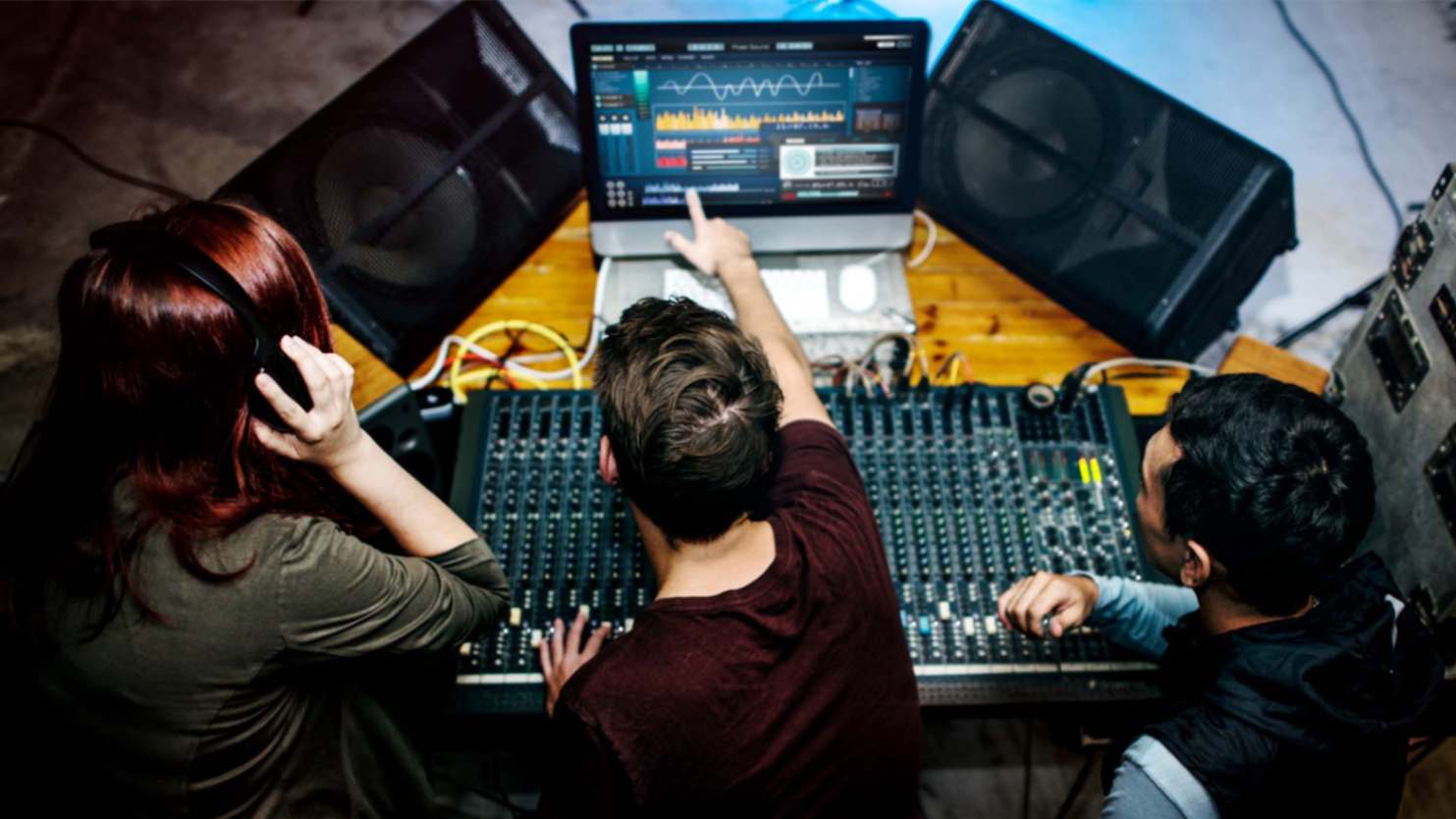
Audio quality is critical for clear communication. Businesses should select systems that provide speech clarity, balanced acoustics, and integration with video conferencing tools. Professional consulting ensures that audio solutions are suited to room size, layout, and usage patterns, delivering consistent and reliable sound for all participants.
4. Invest in Cutting-Edge Visual Displays
Visual technology plays a key role in effective communication. Businesses should consider high-definition displays, interactive touchscreens, and portable solutions to enhance presentations and collaboration. High-quality visual systems make content more engaging, leaving a strong impression on clients, employees, and partners.
5. Implement Smart Control Systems
Centralized control solutions simplify the operation of AV equipment. Smart systems allow users to manage audio, video, and lighting from a single interface, reduce the risk of errors, and improve operational efficiency. This approach ensures that presentations and meetings run smoothly and consistently.
6. Integrate AV with IT Systems
Seamless integration between AV and IT systems is essential for modern businesses. Connecting AV solutions with video conferencing platforms, cloud storage, and collaboration tools enhances workflow, minimizes downtime, and supports effective remote collaboration. Integration allows teams to communicate and work together efficiently regardless of location.
7. Focus on User-Friendly Interfaces
Even advanced AV systems require intuitive interfaces to be effective. Businesses should provide easy-to-use touch panels, control apps, and training for employees. Simplified operation ensures higher adoption rates, reduces reliance on technical support, and maximizes the value of AV investments.
8. Plan for Scalability and Future Upgrades
Technology evolves rapidly, making scalability a key consideration. Modular systems, wireless solutions, and regular updates allow businesses to adapt to growth and new requirements. Planning for scalability ensures that AV investments remain relevant and valuable as the organization expands.
9. Optimize for Hybrid and Virtual Events
Hybrid events are increasingly common in modern business operations. AV systems should support high-quality live streaming, interactive engagement, and seamless transitions between in-person and virtual participants. Professional audio visual consulting ensures that hybrid-ready spaces maintain a high level of engagement and professionalism.
10. Implement Data-Driven AV Management
AV systems can provide valuable insights into usage, performance, and engagement. Businesses can use this data to optimize space usage, monitor system efficiency, and make informed decisions for future investments. Data-driven management transforms AV systems into strategic assets rather than just operational tools.
11. Provide Training and Support
Proper training and ongoing support are essential to ensure that AV systems are used effectively. Businesses should invest in staff education, technical assistance, and continuous system evaluation. Professional consulting often includes post-installation support to maintain consistent performance and minimize disruptions.
12. Embrace Sustainable and Energy-Efficient Solutions
Sustainability is increasingly important for businesses and clients. Energy-efficient projectors, lighting, and displays reduce power consumption and operational costs. Selecting environmentally responsible equipment reinforces a company’s commitment to sustainable practices and enhances its professional reputation.
Conclusion: Leveraging AV as a Strategic Advantage
Audio visual technology is no longer a simple support tool; it is a strategic element that can enhance communication, collaboration, and overall business efficiency. By adopting the right audio visual consulting strategies, businesses can design flexible spaces, integrate technology effectively, and provide engaging experiences for employees and clients.
From high-quality audio and visual systems to smart controls, integration, and data-driven management, a well-executed AV strategy becomes a long-term asset.
Investing in professional consulting ensures businesses remain competitive, innovative, and prepared for the evolving demands of the modern workplace. At A2V, we specialize in consulting for audiovisual solutions.
We help businesses and individuals set up and manage AV systems efficiently. Our team ensures smooth operation and support for every AV project.