If you’ve ever walked into a meeting room where the screen won’t connect, the audio echoes, or half the room can’t see what’s being presented, you already know one thing.
Audio visual systems either work beautifully or they become a daily frustration.
There’s rarely an in-between.
A successful AV project is not about buying the most expensive screens or speakers. It’s about designing a system that fits the space, the people who use it, and the purpose it serves.
That’s where thoughtful planning and professional audio visual system design service expertise matter.
In this blog, we’ll break down the real components that make an AV design project successful, practical, and future-ready, without drowning you in technical jargon.
What Does “Successful” Mean in an AV Design Project?
Before talking about components, it’s important to define success in audio visual design. Success is not just installation day. It’s what happens months and years after.
A successful AV system is one that works consistently, feels intuitive to use, integrates smoothly with daily operations, and supports communication rather than distracting from it.
It should enhance collaboration, presentations, learning, or control room efficiency depending on the environment.
This level of performance only happens when design decisions are made intentionally, not reactively.
Understanding the Purpose of the Space
Every strong AV design starts with a simple but critical question.
What is this space actually used for?
A boardroom has very different needs compared to a classroom, a control room, or a large event venue. Designing without understanding usage leads to overengineering or underperformance.
Purpose-driven design considers how often the system will be used, who will use it, and what kind of interaction is expected.
Example: A meeting room focused on hybrid collaboration needs reliable video conferencing, clear microphones, and simple controls. A presentation hall may prioritize visibility, sound coverage, and scalability.
When the purpose is clear, every technical decision becomes easier and more effective.
Stakeholder Input and Real-World User Behavior
One of the most overlooked components in AV projects is human behavior. Systems are not used by engineers. Teams, presenters, educators, and operators use them.
Successful projects involve user input early in the design phase. This includes understanding comfort levels with technology, common pain points, and expectations.
A system that requires constant troubleshooting or complex startup steps will eventually be avoided.
Designing for real people means prioritizing clarity, consistency, and ease of use. Technology should support workflows, not interrupt them.
Acoustic Planning and Sound Quality
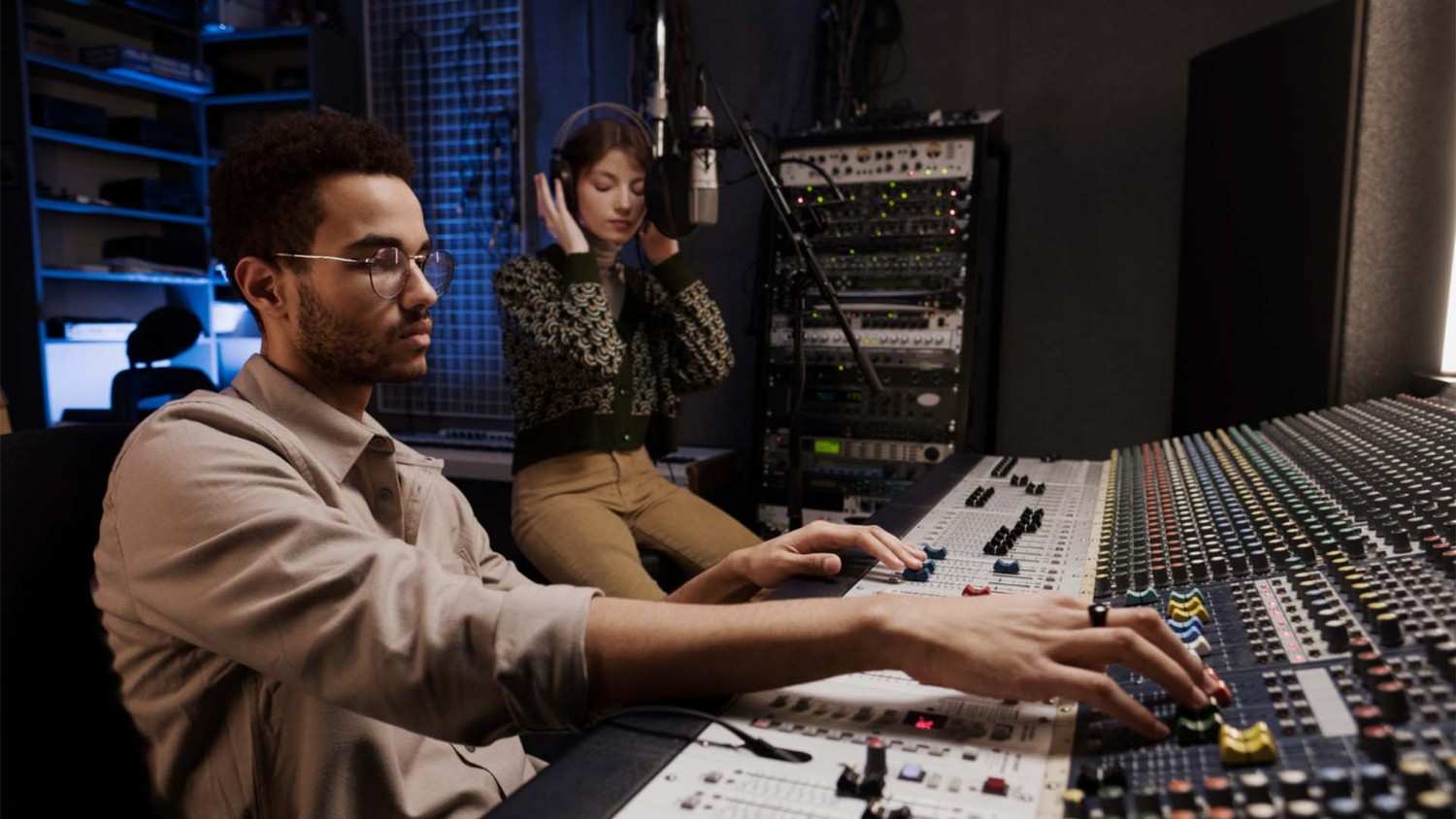
Audio is often more important than video, yet it’s frequently underestimated. Poor sound quality immediately affects communication, comprehension, and engagement.
Good acoustic planning starts with understanding room size, ceiling height, surface materials, and ambient noise.
Hard surfaces reflect sound, while soft materials absorb it. Ignoring these factors leads to echo, feedback, and uneven coverage.
Microphone placement, speaker positioning, and sound processing must work together as a system. When audio is designed properly, people don’t notice it. They just hear clearly.
Visual Display Selection and Placement
Screens are usually the most visible part of any AV system, but size alone does not guarantee clarity. Display selection depends on viewing distance, room lighting, content type, and sightlines.
A successful design ensures that everyone in the room can see content without straining or adjusting their position. This includes choosing the right resolution, brightness level, and mounting height.
Video walls, projection systems, and LED displays each serve different purposes.
The key is matching the technology to the space, not forcing the space to adapt to the technology.
System Integration and Compatibility
An AV system is rarely made up of a single device. It’s a network of displays, microphones, speakers, cameras, control processors, and software platforms.
Integration ensures that all these components communicate smoothly. Poor integration leads to lag, connection issues, and unreliable performance.
A professional audio visual system design considers compatibility from the start.
This includes integration with existing IT infrastructure, conferencing platforms, and control systems. When everything works together seamlessly, users gain confidence in the system.
Control Systems and User Experience
A technically advanced system means very little if it’s challenging to operate. Control systems are the bridge between users and technology.
Successful AV design simplifies control. This may involve touch panels, wall-mounted controllers, or tablet-based interfaces. The goal is to reduce steps, eliminate confusion, and create consistency across spaces.
Users should be able to walk in, start a meeting, adjust volume, and switch sources without calling for help.
Intuitive control design is one of the strongest indicators of a well-planned AV project.
Cable Management and Infrastructure Planning
Behind every clean AV setup is thoughtful infrastructure planning. Cables, conduits, racks, and power sources must be organized and accessible.
Messy or poorly planned cabling leads to maintenance challenges, overheating, and system failures. It also makes future upgrades more difficult and expensive.
A strong design anticipates growth. It allows for expansion, replacement, or technology updates without tearing the entire system apart.
Network and Bandwidth Considerations
Modern AV systems rely heavily on networks. Video conferencing, streaming, control systems, and cloud-based platforms all depend on stable connectivity.
Ignoring network requirements is one of the fastest ways to compromise performance. Bandwidth limitations, security restrictions, or poor configuration can affect video quality and system reliability.
Coordination between AV designers and IT teams is essential.
A successful project respects both technical domains and ensures they work together smoothly.
Scalability and Future Readiness
Technology changes quickly. A system designed only for today will feel outdated sooner than expected.
Scalable design allows organizations to add features, upgrade components, or adapt spaces without starting from scratch. This includes choosing modular equipment, flexible control systems, and adaptable infrastructure.
Future readiness is not about predicting every trend. It’s about creating a foundation that can evolve.
Installation Quality and Testing
Even the best design can fail if installation is rushed or poorly executed. Attention to detail during installation ensures that equipment performs as intended.
Comprehensive testing is a critical step. This includes audio tuning, video calibration, signal testing, and user scenario simulations. Testing should replicate real-world usage, not just ideal conditions.
Issues caught during testing save time, cost, and frustration later.
Training and Documentation
A system is only successful if people know how to use it. Training ensures users feel confident, not intimidated.
Effective training focuses on daily tasks rather than technical theory. Clear documentation supports long-term usability, especially when staff changes occur.
When users understand the system, they’re more likely to use it correctly and consistently.
Ongoing Support and Maintenance
AV systems are not “set and forget” solutions. Regular maintenance keeps performance consistent and prevents minor issues from becoming major problems.
Support plans, software updates, and periodic system reviews help extend the life of the investment. A trusted AV partner provides continuity and accountability over time.
This long-term relationship is often what separates average projects from exceptional ones.
Why Professional AV Design Makes the Difference
Designing an AV system without expertise often leads to mismatched equipment, usability issues, and wasted budget. Professional design brings structure, experience, and strategic thinking to the process.
A dedicated audio visual system design service evaluates needs holistically. It balances performance, usability, cost, and future growth. This approach protects the investment and delivers consistent value.
Choosing the Right AV Design Partner
The right partner understands both technology and people. They ask the right questions, explain decisions clearly, and prioritize outcomes over hardware.
Organizations working with experienced teams like A2v benefit from structured planning, technical expertise, and a user-focused approach. The goal is not just installation, but long-term success.
The Final Piece of the AV Puzzle
A successful audio visual system design project is the result of many thoughtful decisions working together. Purpose, people, acoustics, visuals, integration, control, and support all play a role.
When these components align, technology fades into the background and communication takes center stage. That’s when AV systems truly do their job.
Investing in the right design process and the right audio visual system design service ensures your system works.
This is where working with a team like A2V makes a measurable difference. Their approach focuses on purposeful design, long-term performance, and systems built to work consistently, not just to look impressive on installation day.
We have experience, precision, and the ability to translate real-world needs into reliable systems.