Nothing derails a meeting faster than a flickering screen or frozen video call.
If you’ve ever experienced AV chaos during a client presentation or team briefing, you know how much stress and embarrassment it can cause.
For small businesses, the right audio visual system design is no longer a luxury; it’s a necessity.
But here’s the critical question: How do you choose an audio visual system design service that actually understands your needs as a small business? With so many providers and technical options, making the right choice can feel overwhelming.
In this guide, we’ll walk you through everything you need to consider, from understanding your business requirements to evaluating provider capabilities and ensuring smooth implementation.
Start With Your Business Needs
Before you even begin evaluating service providers, take a moment to define why you need an AV system. Small businesses have unique priorities compared with large enterprises. You may be looking for:
- Clear presentation capabilities for internal meetings
- High‑quality sound and video conferencing for hybrid or remote work
- Engaging displays for customers in waiting areas or showrooms
- Training room AV support for staff development
Your goals shape the entire system design. A hospitality business may prioritise ambient audio and digital signage. A training centre may focus on interactive displays and conferencing tools.
Understanding your objectives allows you to brief potential AV designers clearly. It also helps them recommend practical solutions rather than pushing unnecessary equipment.
Know What Components Are Needed
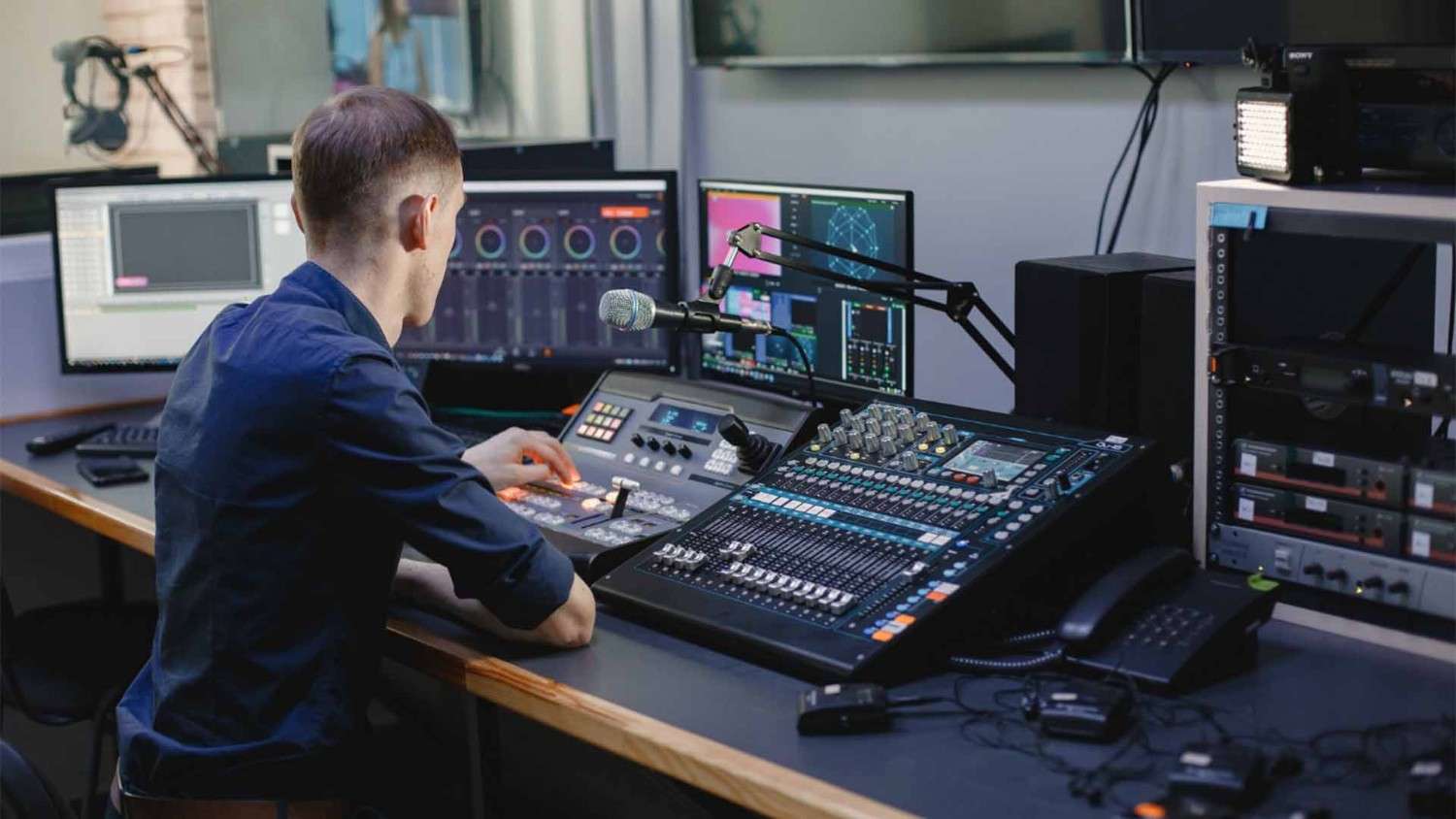
An audio visual system isn’t a single product, it’s a combination of technologies working together. A reliable audio visual system design service will explain each component’s purpose and how it fits your goals.
Typical elements include:
- Displays and projectors: For presentations, signage, or demonstrations
- Speakers and microphones: For clear sound in meetings and events
- Video conferencing tools: Cameras, software, and integration with remote platforms
- Control systems: Touch panels or apps that make AV easy to operate
- Networking: Powerful, stable connections for seamless performance
It’s not just about buying hardware. Smart integration ensures these elements communicate efficiently and reliably.
When reviewing proposals, ask how each component will address your specific needs and enhance the end‑user experience.
Evaluate Design Expertise, Not Just Equipment Supply
Too often, small business owners search for the cheapest AV equipment supplier, only to realise later that installation and integration fall short.
A great AV design service goes beyond selling equipment. They design solutions that fit your space and use patterns.
Key capabilities to look for include:
- Needs assessment: Do they ask questions about how you work and what outcomes you want?
- Custom design: Do they tailor solutions rather than offering one‑size‑fits‑all packages?
- Integration know‑how: Can they sync audio, video, control systems, and network infrastructure reliably?
- User experience considerations: Do they ensure the system is intuitive and easy to use?
Great AV designers think about how users interact with the system, not just what technology looks good on paper.
Experience With Small Business Environments
Every space presents unique challenges. A boardroom in a heritage property may require a different approach than an open‑plan workspace or a retail showroom.
Ask potential AV providers whether they have experience with small businesses and whether they’ve worked in environments similar to yours.
Understanding acoustics, lighting conditions, room shape, and traffic patterns affects design performance. Experienced designers often request a visit to your space or a review of detailed plans to avoid surprises during installation.
Providers who take the time to assess your on-site environment usually deliver better results than those who rely on assumptions.
Stability and Future‑Proofing
Technology changes quickly. Your business may grow, adopt new communication platforms, or expand into hybrid work models. A reliable AV system design service will think ahead.
When discussing solutions, ask:
- How easily can this system be upgraded?
- Can new rooms or technologies be added later?
- Is the software or platform compatible with future tools?
- Are the components modular and scalable?
Future‑proofing protects your investment and prevents costly overhauls each time technology evolves.
Support, Training, and Aftercare
Even well‑designed AV systems can feel intimidating if end users don’t know how to operate them. A great audio visual system design service will offer:
- Training sessions for staff
- User manuals and quick guides
- Ongoing support options, such as remote assistance or service contracts
- Maintenance plans for peak performance
Poor support often leads to underuse. Employees may revert to outdated tools because they don’t trust the AV system. Good aftercare ensures your solutions are used confidently and consistently.
Compatibility With Your Existing Tools
Your AV system should integrate with tools your business already uses. Whether it’s Microsoft Teams, Zoom, Google Meet, digital signage software, or booking systems for meeting rooms, compatibility saves time and reduces workflow friction.
Ask providers to demonstrate how their design will connect with your current systems. Seamless integration means less training time and fewer hiccups during daily use.
Budget and Value, Not Just Price
Budget is always a factor, especially for small businesses. But cost shouldn’t be the only deciding factor. A low quote might deliver cheap hardware, but it also leads to poor performance and high frustration.
Instead of asking “How cheap can you go?” ask:
- What choices deliver the best value for our specific needs?
- What is the total cost of ownership, including maintenance and upgrades?
- How will this investment improve productivity or customer experience?
A reliable AV design service will help you balance cost with performance, ensuring you get a solution that works well and lasts.
Evaluate Customer Reviews and Case Studies
Before signing a contract, check reviews and past work. Look for testimonials or case studies that show how an AV provider has solved real business challenges.
Questions you can ask include:
- Have you worked with businesses similar to ours?
- Do you have examples of successful projects?
- Can you provide references from previous clients?
Reliable providers are transparent about their experience and happy to share examples of how their work has delivered real results.
Professional Project Management
AV installations often involve multiple stages: design, procurement, installation, testing, and training. Choose a provider with strong project management skills who coordinates all stages smoothly.
Good project management ensures:
- Timely delivery
- Clear communication
- Minimal disruption to your operations
- Quality assurance at each stage
Providers who manage projects effectively reduce the risk of delays or technical issues cropping up after installation.
Testing and Quality Assurance
Before handing over a system to your business, the design service should conduct thorough testing. This includes checking audio clarity, video quality, connectivity, control systems, user interfaces, and performance under real‑world conditions.
A reliable provider verifies that the system works as intended and that issues are resolved before go‑live. This step greatly improves your confidence in the system and reduces downtime once installed.
Frequently Asked Questions
1. Does my small business really need a custom AV design?
Yes. A custom design ensures that the system meets your specific space, communication needs, and daily usage patterns. Off-the-shelf or one-size-fits-all solutions often fall short in terms of performance and efficiency.
2. How long does an AV design and installation typically take?
Timelines vary depending on the project’s complexity and scale. Simple systems may be installed within a few days, while larger custom deployments can take several weeks from design through installation and testing.
3. Can an AV system integrate with existing software like Zoom or Teams?
Yes. Modern AV designs support seamless integration with popular communication platforms such as Zoom, Microsoft Teams, and Google Meet, ensuring a smooth user experience.
4. What kind of support should I expect after installation?
Good AV design services provide training, support documentation, remote troubleshooting, and optional maintenance plans to ensure your system continues to perform well over time.
5. Should I buy my own AV equipment or go through the design service?
Purchasing through your design service is usually a better option. They can recommend components that work together optimally, provide warranty support, and ensure proper installation and integration, resulting in a system that works reliably from day one.
Wrap‑Up: Making the Best Choice
Choosing the right audio visual system design service for your small business is a strategic decision. Excellent AV design enhances communication, improves presentations, improves the customer experience, and supports everyday operations.
But achieving this starts with selecting a partner who understands your business, carefully plans, delivers reliable solutions, and supports you long after installation.
Competent AV design isn’t about shiny hardware. It’s about functionality, ease of use, future readiness, and dependable support.
If you want a system that truly enhances your business performance without stress and confusion, take the time to evaluate each service based on expertise, communication, real experience, support, and compatibility with your business goals.
At a2V, we understand that competent AV design isn’t just about hardware. It’s about creating systems that are functional, easy to use, future-ready, and backed by reliable support.
We take the time to understand your business, carefully plan every detail, and deliver solutions that work seamlessly.