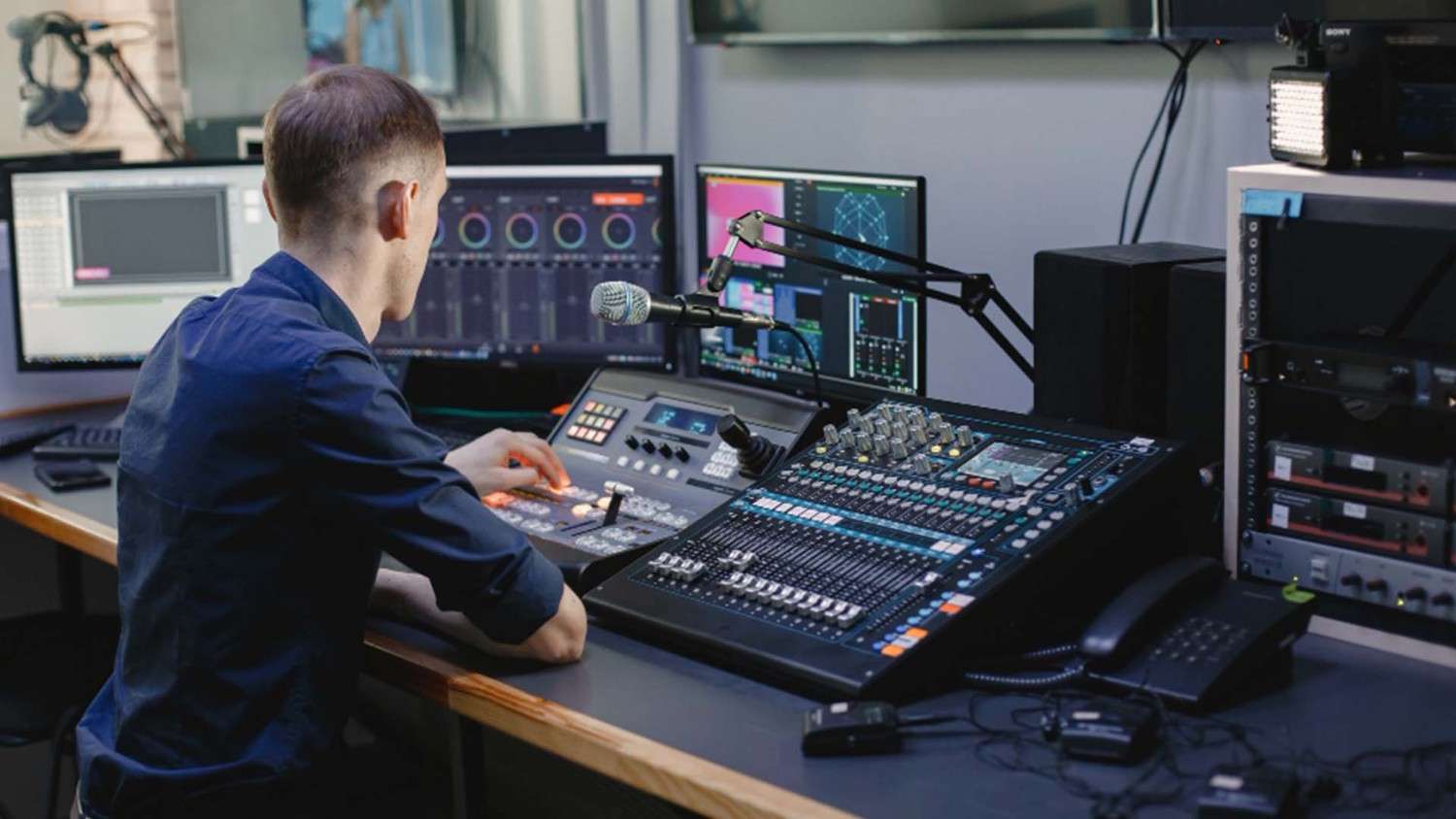
There was a time when audio visual systems were considered a support function, something you install at the end of a project.
That time is gone.
In 2026, audio visual system design sits at the center of how organizations communicate, collaborate, and operate. From boardrooms and training spaces to control centers and hybrid work environments, AV systems define how effectively people share ideas and make decisions.
Whether it’s a meeting room, a hotel, a retail store, or even your own home setup, audio and visuals are no longer “nice to have.” They shape how people connect, understand, and remember.
AV is now planned from day one, integrated into design, and built to scale as needs grow. Because when sound, visuals, and technology work together seamlessly, the entire space feels smarter, smoother, and more intentional.
This guide explores everything you need to know to design smart, scalable AV systems that truly work.
What is Audio Visual System Design?
Audio visual system design is the process of planning, engineering, and integrating audio and visual technologies into a cohesive system tailored to a specific space and purpose.
But it goes deeper than just choosing devices.
It involves understanding how people interact within a space and designing a system that supports those interactions without friction.
A complete AV design considers:
- The purpose of the space (meeting, training, presentation, collaboration)
- The number and type of users
- The acoustic and visual environment
- Integration with existing IT infrastructure
- Ease of use and long-term scalability
In simple terms, AV design answers one critical question: How can technology make communication effortless?
Why AV System Design Matters More in 2026 Than Ever Before
The Hybrid Work Reality
Work is no longer confined to one location. Teams are spread across cities, countries, and time zones. Meetings must feel inclusive regardless of participants’ locations.
Without proper AV design, remote participants often experience poor audio, limited visibility, and low engagement. This creates a disconnect that impacts productivity and collaboration.
A well-designed AV system ensures that everyone—whether in-room or remote—has an equal experience.
Technology Expectations Have Changed
Users expect technology to be simple.
They don’t want to troubleshoot cables, adjust settings, or figure out complicated controls. They expect to walk into a room, press a button, and start.
This shift has made user experience a central part of AV design.
Business Growth Requires Scalability
Organizations grow, teams expand, and technology evolves. An AV system designed only for current needs quickly becomes outdated.
Scalable AV design ensures that systems can adapt to new requirements without requiring a complete overhaul.
Core Components of a Modern AV System
Display Systems: The Visual Anchor
Displays are often the most visible part of an AV system, but their role goes beyond just showing content.
In modern environments, displays must deliver:
- High resolution for detailed visuals
- Brightness suitable for various lighting conditions
- Wide viewing angles for larger audiences
Large-format displays and interactive panels are now preferred over traditional projectors due to their clarity, reliability, and long-term efficiency.
Audio Systems: The Foundation of Communication
If users can’t hear clearly, nothing else matters.
Audio system design focuses on delivering consistent, intelligible sound across the entire space. This involves careful selection and placement of microphones and speakers, along with digital processing to manage sound quality.
Modern systems use advanced techniques to reduce echo, eliminate background noise, and ensure that speech is captured accurately, even in challenging environments.
Video Conferencing Systems: Enabling Hybrid Collaboration
Video has become essential for modern communication.
Today’s systems use intelligent cameras that automatically frame participants, track speakers, and dynamically adjust views. This creates a more natural and engaging experience for remote participants.
Integration with collaboration platforms ensures seamless connectivity without technical delays.
Control Systems: Simplifying Complexity
Behind every seamless AV experience is a powerful control system.
These systems unify all AV components into a single interface, allowing users to control displays, audio, lighting, and conferencing tools effortlessly.
The best control systems are intuitive and require minimal training, allowing anyone to operate them confidently.
AV-over-IP Infrastructure: The Backbone of Modern AV
Traditional AV systems relied on dedicated cabling for each connection.
In 2026, audio visual system design has shifted toward AV-over-IP, where audio and video signals are transmitted over standard network infrastructure.
This approach offers several advantages:
- Flexibility in routing content
- Easier scalability across multiple rooms
- Reduced installation complexity
- Centralized management
It transforms AV systems from isolated setups into connected ecosystems.
The AV System Design Process: From Concept to Execution
- Understanding User Needs and Objectives
Every successful design begins with clarity.
What is the purpose of the space?
Who will use it?
What challenges need to be solved?
This stage defines the direction of the entire project.
- Analyzing the Physical Environment
Room size, layout, lighting, and acoustics all influence system performance.
For example, a large boardroom requires different audio distribution compared to a small meeting room. Similarly, spaces with natural light need displays that can maintain visibility without glare.
Ignoring these factors often leads to poor performance, regardless of equipment quality.
- Designing the System Architecture
This is where planning becomes technical.
Designers create detailed system layouts, select compatible equipment, and define how each component will interact.
The focus is on creating a balanced system where no single element becomes a weak point.
- Installation and Integration
Execution must match design.
Proper installation ensures that equipment performs as intended, while integration ensures that all components work together seamlessly.
Attention to detail during this phase prevents future issues.
- Testing, Optimization, and Training
Before deployment, systems must be tested under real-world conditions.
Adjustments are made to fine-tune audio, optimize visuals, and ensure smooth operation.
Training is equally important. Users must feel confident using the system without relying on technical support.
Smart Technologies Shaping AV Design in 2026
1. Artificial Intelligence and Automation
AI is transforming how AV systems operate. From automatic camera tracking to real-time audio optimization, AI reduces manual intervention and enhances performance.
Automation further improves efficiency by managing system behavior based on usage patterns.
2. Cloud-Based AV Management
Cloud platforms allow organizations to monitor and manage AV systems remotely. This enables faster troubleshooting, reduces downtime, and provides valuable insights into system usage.
3. Interoperability and Platform Integration
Modern AV systems must work seamlessly with multiple collaboration platforms. Compatibility ensures that users can connect without worrying about technical limitations.
4. Designing for Scalability and Future Growth
A future-ready AV system is designed with flexibility in mind.
This includes:
- Modular system components that can be upgraded
- Network-based infrastructure that supports expansion
- Open standards that allow integration with new technologies
Scalability ensures that investments made today continue to deliver value in the future.
Shift to Intelligent AV Systems
As workplaces continue to evolve with audio visual system design.
A well-designed AV system creates clarity in conversations, confidence in presentations, and consistency across every interaction, whether your team is in the room or across the globe. When done right, it becomes an invisible force that drives productivity, enhances user experience, and supports long-term business growth.
At a2v, this philosophy is at the core of every solution. With a strong focus on smart, scalable, and user-friendly audio visual system design services, our approach goes beyond equipment to deliver fully integrated environments that are built for today’s hybrid workplaces and tomorrow’s evolving needs.
If you’re looking to create a seamless, future-ready AV experience that truly works for your team, now is the time to take the next step.
Connect with a2v and start building a smarter, more connected workplace where technology simply works, and people can focus on what matters most.
FAQs: Audio Visual System Design (2026 Guide)
What are the key components of a modern AV system?
A complete AV system typically includes display solutions (LED screens or panels), audio systems (microphones and speakers), video conferencing tools, control systems, and network infrastructure like AV-over-IP. Each component must work together smoothly to deliver a consistent and reliable experience.
How can businesses ensure their AV system is future-proof?
To make an AV system future-ready, businesses should focus on scalable design, modular components, and technologies that support upgrades. Choosing network-based systems and ensuring compatibility with multiple platforms also helps adapt to future needs without major redesign.
What factors should be considered before designing an AV system?
Important factors include the purpose of the space, number of users, room size, lighting conditions, acoustic environment, and integration with existing systems. Proper planning ensures the system performs effectively and meets long-term requirements.
How much does a professional AV system design cost?
The cost of AV system design varies depending on the size of the project, complexity, and equipment used. Small meeting rooms may require a modest investment, while large corporate or enterprise-level setups can be significantly higher. However, a well-designed system offers long-term value and reduces future costs.
Which industries benefit the most from audio visual system design?
Industries such as corporate offices, education, healthcare, hospitality, and event management benefit greatly from AV system design. Any environment that relies on communication, presentations, or collaboration can improve efficiency with a well-planned AV setup.
How do I choose the right AV design partner?
Look for a provider with proven expertise, a strong understanding of modern technologies, and the ability to customize solutions based on your needs. A good AV partner will focus on both technical performance and user experience to deliver long-term value.